
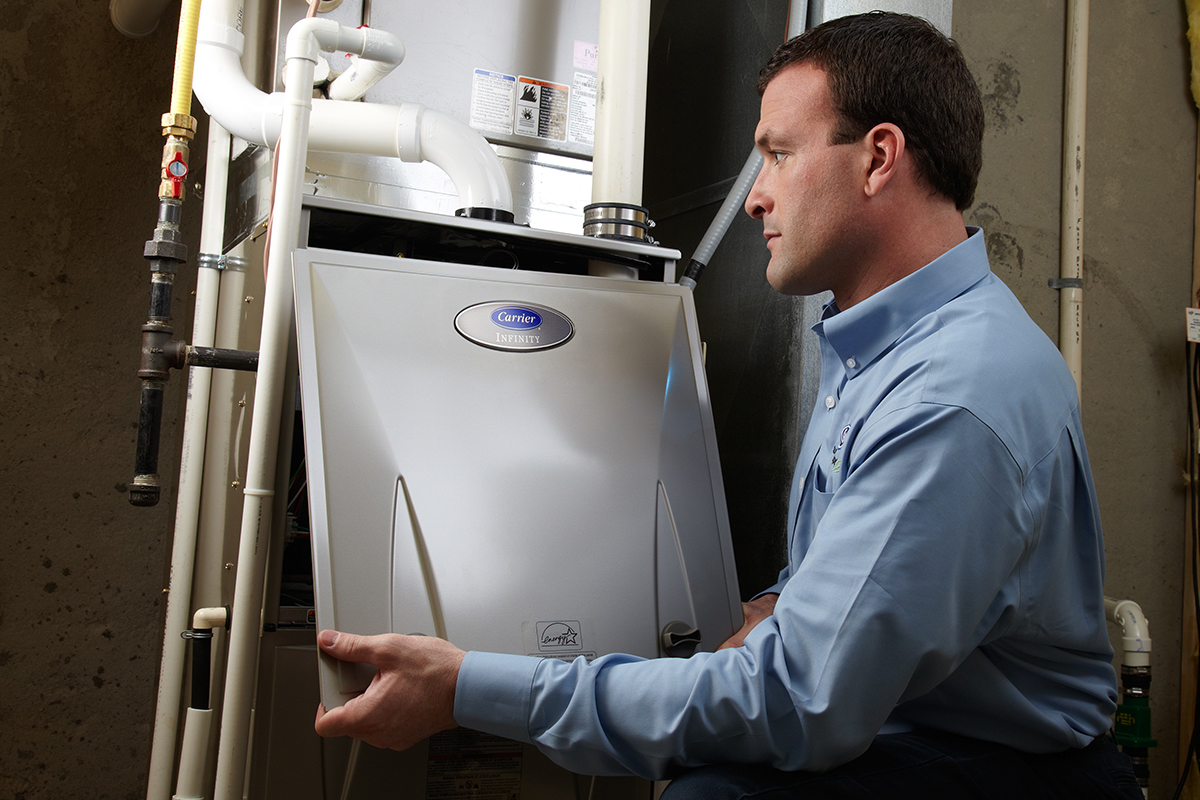
Winter means cozy nights, holiday gatherings, and unfortunately, higher strain on your heating system. A well-maintained HVAC system does more than keep you warm: it protects your home, prevents emergencies, and helps you avoid costly repairs.
Here’s a practical safety checklist every homeowner should follow before temperatures drop.
1. Schedule a Professional Heating Inspection
Before winter hits full swing, book a tune-up with a licensed technician. This ensures:
-
Safe combustion on gas systems
-
Proper airflow
-
Clean burners
-
No hidden mechanical issues
Routine maintenance reduces breakdowns and extends equipment life—especially during cold spells when service calls spike.
2. Replace or Clean Your Furnace Filter
A clogged filter restricts airflow and forces your system to work harder, increasing wear and safety risks.
✔ Check your filter monthly
✔ Replace it every 1–3 months depending on usage
✔ If you have pets or allergies, change it more often
Healthy airflow = safer heating.
3. Test Your Carbon Monoxide (CO) Detectors
This is one of the most important winter HVAC safety steps.
Carbon monoxide is silent, odorless, and dangerous if heating systems malfunction.
-
Have one detector on every floor
-
Replace batteries now
-
Replace units every 5–7 years per manufacturer guidelines
If your system burns fuel, this step is non-negotiable.
4. Keep Vents, Registers, and Outdoor Units Clear
Furniture, rugs, or snow can block airflow.
✔ Keep indoor supply and return vents unobstructed
✔ Clear snow and ice from outdoor heat pump units or intake pipes
✔ Maintain at least 2–3 feet of clearance around equipment
Good airflow prevents overheating and improves efficiency.
5. Inspect and Clean Around Your Furnace Area
The space around your furnace should never become storage.
-
Remove flammable items
-
Ensure the furnace room is clutter-free
-
Keep the area ventilated
This prevents fire hazards and allows technicians safe access.
6. Check for Drafts or Air Leaks
Cooling or heating loss around windows and doors makes your furnace run more than necessary.
Seal leaks with:
-
Weatherstripping
-
Door sweeps
-
Window film
Reducing drafts is a simple safety measure that lowers stress on your system.
7. Don’t Ignore Strange Noises or Smells
If your system is:
-
Rumbling
-
Screeching
-
Smelling like gas or burning
Turn it off and call a technician immediately.
Winter is the wrong time to hope the issue resolves itself.
8. Confirm Your Thermostat Settings
Make sure:
-
Your thermostat is on “Heat”
-
Batteries are fresh (if applicable)
-
You have sensible temperature schedules
Smart thermostats can help maintain even comfort and reduce unnecessary furnace run-time.
9. Know Where Your Emergency Shutoff Is Located
Every homeowner should know:
✔ Where to shut off gas
✔ Where the furnace power switch is
✔ Who to call in an emergency
Quick action can prevent serious damage or safety issues.
10. If You Hear Something or Smell Something—Call a Pro
Never troubleshoot gas or combustion issues yourself.
A licensed technician can diagnose problems quickly and safely.
Winter safety starts with preparation. A well-maintained HVAC system protects your home, keeps your family warm, and prevents mid-season breakdowns.
If you haven’t scheduled your heating tune-up yet, Cool Solutions HVAC can help with inspections, repairs, replacements, and annual maintenance plans.
Stay warm, stay safe — and give us a call before the cold sets in!