
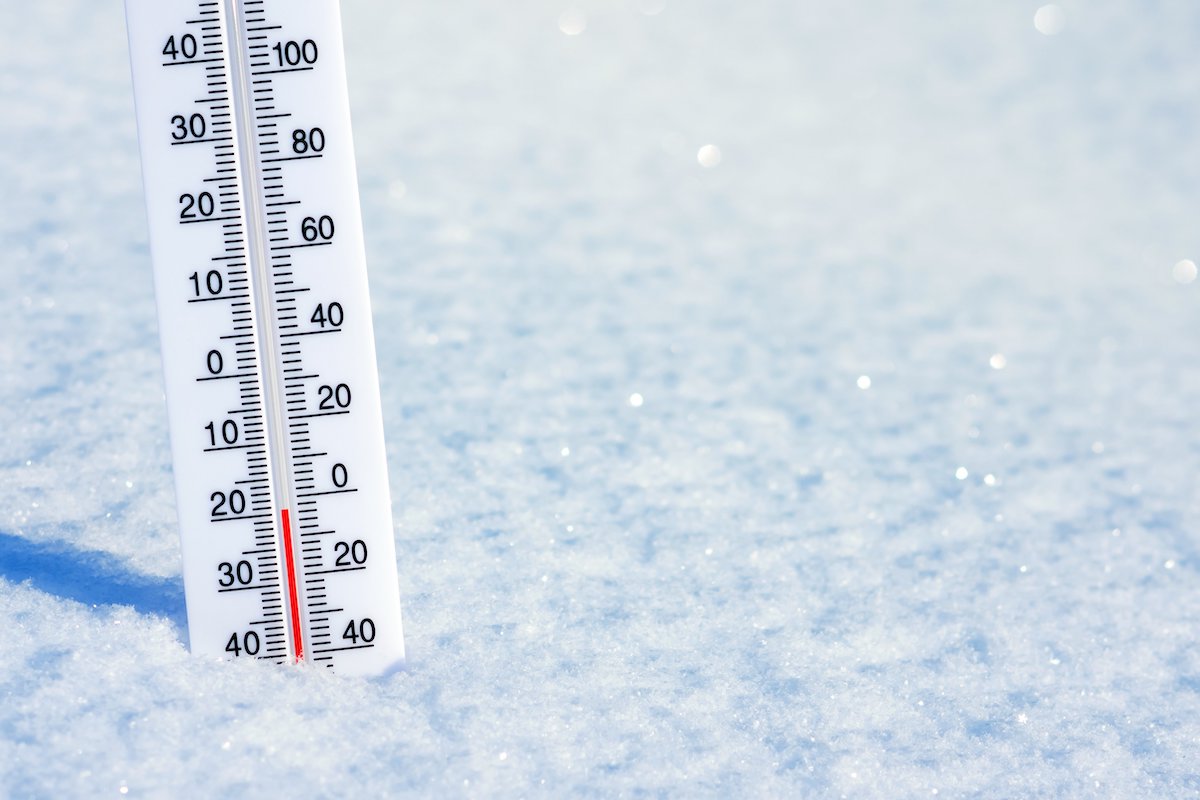
Freezing temperatures put significant stress on your HVAC system, especially during prolonged cold spells. When the weather drops below freezing, your heating system must work harder and longer to maintain a comfortable indoor temperature. This added demand can expose weaknesses in the system and increase the risk of breakdowns.
One of the biggest reasons freezing weather strains HVAC systems is extended run time. As outdoor temperatures fall, heat escapes your home more quickly, forcing your furnace or heat pump to cycle more often. Components such as motors, burners, and heat exchangers experience increased wear, particularly if the system hasn’t been serviced recently. Even small issues can become major problems when the system is under constant demand.
Airflow issues also become more noticeable during freezing weather. Dirty air filters, blocked vents, or leaky ductwork reduce the system’s ability to distribute warm air efficiently. When airflow is restricted, your HVAC system must work harder to heat your home evenly, leading to higher energy usage and uneven temperatures from room to room.
For homes with heat pumps, freezing temperatures present additional challenges. Heat pumps rely on outdoor air to generate heat, which becomes more difficult as temperatures drop. During extreme cold, the system may rely heavily on auxiliary heat, increasing energy costs and placing additional strain on electrical components. Ice buildup on the outdoor unit can further reduce efficiency if not addressed promptly.
Freezing weather can also introduce moisture-related issues. Condensation may form inside ductwork or around heating components due to temperature differences. Over time, this moisture can contribute to corrosion, mold growth, or reduced system performance if not properly managed.
Finally, safety concerns are more likely to surface in freezing conditions. Cracked heat exchangers, ignition problems, and ventilation issues often appear when systems are pushed to their limits. These issues can pose serious safety risks and should always be handled by a licensed HVAC professional.
If your HVAC system seems to be struggling during freezing temperatures, it’s often a sign that maintenance or repairs are needed. Regular service helps reduce strain, improve efficiency, and ensure your heating system runs safely and reliably throughout the coldest months of the year.